
Ten essential safety rules for safe freediving
- Ivan

- Aug 15, 2025
- 3 min read
Freediving captivates people because it allows them to experience the underwater world up close and personal. But this fascinating hobby also carries risks that must be considered. In this article, you'll learn ten essential safety rules that will help you enjoy freediving safely and responsibly.
1. Never dive alone
One of the most fundamental principles of freediving is never to dive alone. Always having a dive buddy with you can be life-saving in an emergency. Not only does it provide psychological support, but your partner can also help you quickly if something goes wrong. A survey of experienced freedivers showed that over 70% of diving accidents could have been avoided if a buddy had been available.
2. Find out about the surrounding area
Before entering the water, you should familiarize yourself with the surrounding area. This includes understanding the currents, water temperature, and visibility. Factors such as strong currents can significantly impact your dive. In one case, a diver encountered difficulties in an area with strong currents estimated at over 3 knots. Detailed research can minimize such dangers.
3. Learn the right technique
Proper technique is crucial for safe freediving. Take courses to learn basics like breathing techniques and diving methods. For example, one instructor described the importance of the "expansive" breathing technique, which efficiently delivers oxygen to the lungs and thus extends dive time. Through expert guidance, you can learn valuable tips and tricks that will increase your safety.
4. Pay attention to your physical condition
Freediving requires a good level of physical fitness. Make sure you're healthy and don't have any health problems that could interfere with diving. If you have asthma, for example, you should definitely consult a doctor before diving. Regular medical checkups are not only advisable, they can also help identify potential health problems early.
5. Use the right equipment
Proper equipment is essential for safe freediving. This includes a properly fitting wetsuit, well-fitting fins, and a mask. Statistics show that approximately 35% of accidents are due to equipment problems. Ensure your equipment is in perfect working order to avoid such incidents.
6. Stick to the diving limits
Set realistic diving goals and respect your own limits. Don't overexert yourself or dive deeper or longer than is safe for you. Studies show that beginners often try to keep up with experienced divers, which often leads to dangerous situations. Respect your personal abilities to dive more safely.
7. Avoid hyperventilation
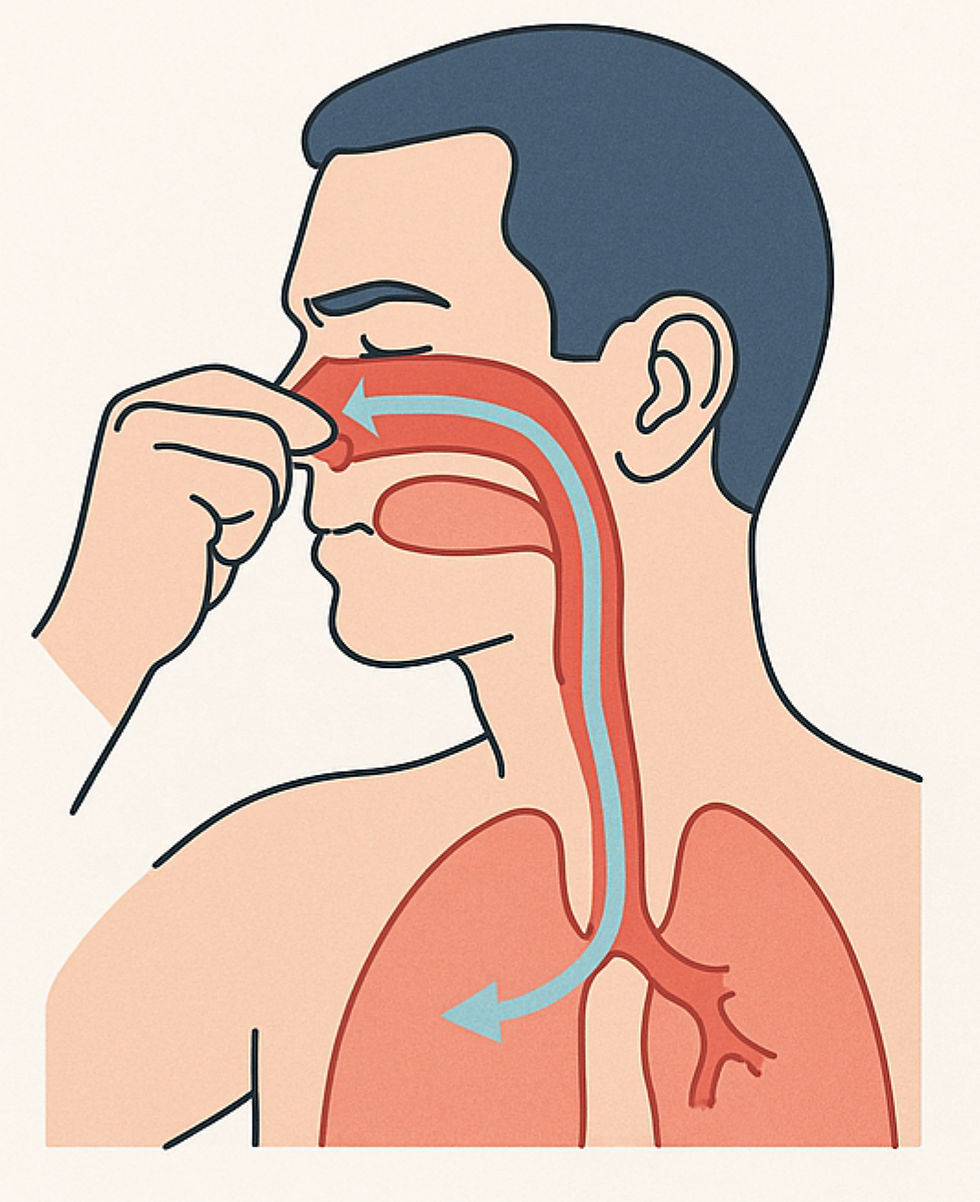
Hyperventilation can increase the risk of fainting. Instead of breathing excessively before diving, focus on slow, controlled breaths. One study has shown that about 50% of freediving accidents are due to hyperventilation or inadequate breathing technique. Learn to control your breathing to increase safety.
8. Look for signs of exhaustion
Observe your body closely while diving. If you experience signs of exhaustion or discomfort, discontinue the dive immediately. Your safety is our top priority. In one incident, a diver had to be hospitalized because he failed to heed the warning signs. Listen to your body to avoid such situations.
9. Practice surfacing correctly
Ascending should always be controlled and slow. Rapid ascents can lead to health problems, such as decompression sickness. Take your time to return to the surface safely. Experts recommend taking a short break every 5 to 10 meters during the ascent to facilitate equalization.
10. Respect nature
Freediving is not just a sport, but also a way to experience the beauty of the underwater world. Respect nature and marine life. Avoid damaging corals or other fragile ecosystems. Reports suggest that protecting sensitive marine areas has led to an increase in biodiversity of up to 40%. By diving responsibly, you are actively contributing to the preservation of this beautiful environment.

Your safety in focus
Safe freediving requires both knowledge and responsibility. By following these ten safety rules, you can minimize risk and enjoy diving to the fullest. Remember, safety should always come first so you can experience the beauty of the underwater world without worry. Dive safely and enjoy the freedom of freediving!


Comments