
Pressure equalization for beginners How to do it easily and effectively
- Ivan

- Aug 29, 2025
- 3 min read
Equalizing is essential for divers and snorkelers. Many beginners struggle to equalize correctly, which can often lead to pain and serious injuries. In this article, we'll provide practical tips to help you stay safe and pain-free underwater.
What is pressure equalization?
Pressure equalization is the process by which the pressure in the ears and sinuses is adjusted to the ambient pressure. When diving into deeper waters or traveling to high altitudes, the external pressure changes. If the pressure in the ear is not adjusted in time, pain or even injury can occur.
To avoid discomfort, the pressure in the ear must match the external pressure. This is often achieved by opening the Eustachian tubes, which are responsible for regulating pressure in the middle ear. According to a survey of divers, 70% reported experiencing pressure problems at some point, which illustrates how common this problem is.
Why is pressure equalization important?
Effective pressure equalization is crucial to avoid injuries such as barotrauma. Barotrauma can occur when the pressure difference between the inside of the ear and the surrounding air becomes too great. This often leads to pain, dizziness, or even permanent hearing loss. It is estimated that up to 20% of divers have experienced barotrauma at least once in their career.
Properly performed equalization ensures you can enjoy your diving experience to the fullest. You can explore the wonderful underwater world without being distracted by pain.
Practical tips for pressure equalization
1. Start pressure equalization early
Start equalizing while you can still feel the adjustments, before the pressure becomes too high. Many divers wait too long, which leads to discomfort. Begin equalizing as early as 5 meters deep to ensure the pressure never gets too high.
2. Use the right technique
The Valsalva and Frenzel techniques are the best known methods for pressure equalization.
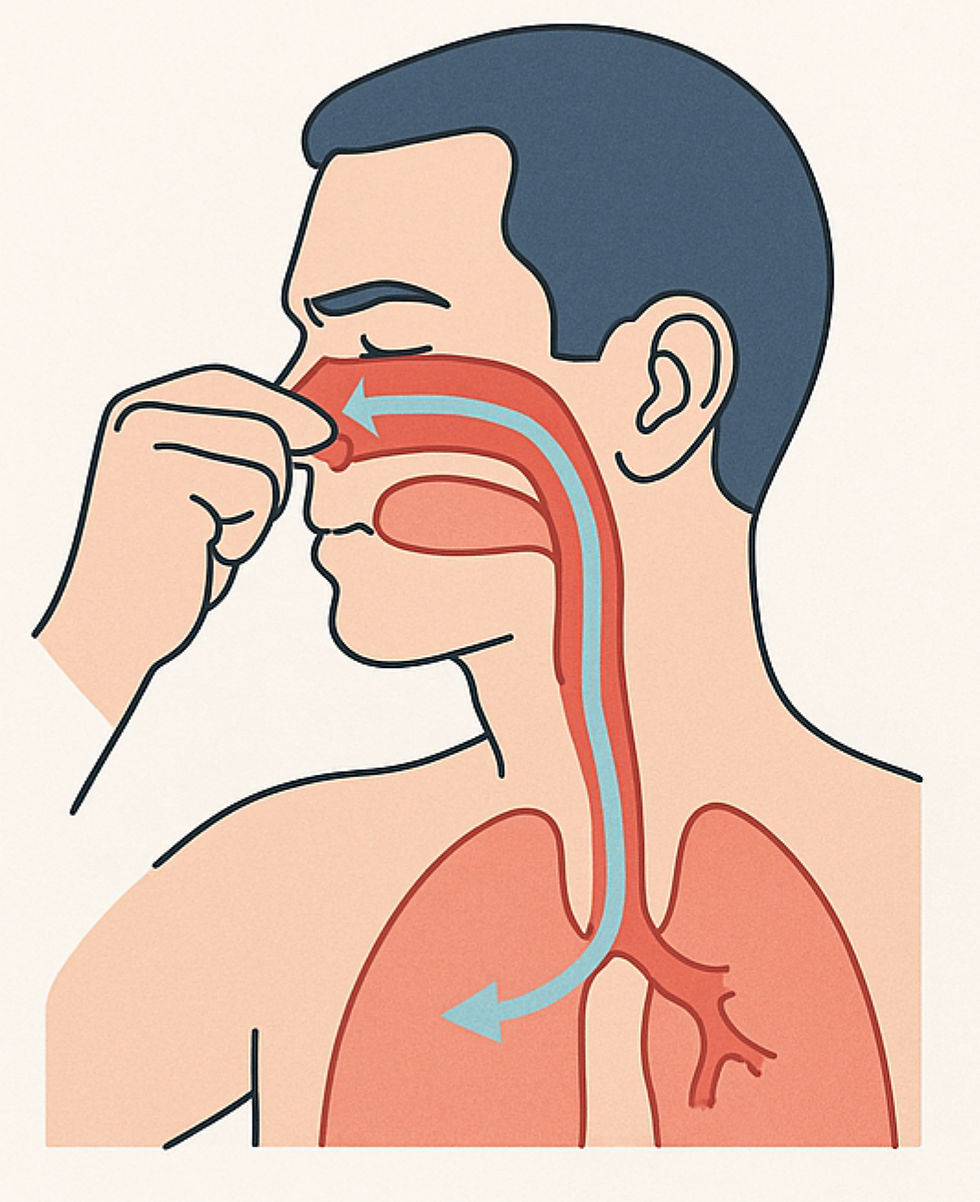
Valsalva technique : Pinch your nose, close your mouth, and exhale gently. This helps equalize the pressure in your ear. Up to a maximum depth of approximately 12 meters!
Frenzel technique : Pinch your nose and press your tongue against the roof of your mouth. This method is often faster and requires less force.
You should try both techniques to find out which one works best for you.
3. Move your head
A small change in movement can make equalizing easier. Turning your head slightly to the side or tilting it while equalizing opens the Eustachian tubes. This can make the process much easier.
4. Avoid diving if you have a cold
A cold or allergy can increase the risk of pressure problems. If symptoms such as a stuffy nose occur, it's best to postpone diving. Estimates show that 60% of divers have problems equalizing while suffering from a cold.
5. Practice regularly
As with any skill, equalizing becomes easier the more you practice. If you dive or snorkel continuously, you'll become faster at equalizing after a few dives.
6. Listen to your body
If you feel pain or discomfort, stop diving. Don't ignore your body's signals; taking a break can help you avoid serious problems.
Common errors in pressure equalization
1. Diving too quickly
A common mistake is descending quickly. This increases the pressure buildup in the ear and makes equalization more difficult. Make sure you descend slowly and steadily, at a speed of approximately 10 to 15 meters per minute.
2. Insufficient hydration
Good hydration is important to keep mucous membranes moist and prevent blockages. Drink plenty of water before entering the water. One study has shown that well-hydrated divers are 40% less likely to experience equalization problems.
3. Ignoring pain
If you feel pain, don't ignore it. This can lead to serious injuries that are difficult to repair. It's important to stay alert and take a break if necessary.
Final thoughts
Equalizing is a fundamental skill for every diver and snorkeler. With the right techniques and a little practice, you can ensure your underwater experience remains pain-free. Start equalizing early, use the appropriate technique, and listen to your body.
These tips will help you equalize effectively and stress-free so you can enjoy your underwater adventures to the fullest.


Comments