
Freediving Basics for Beginners: Discovering Equalization, Serenity, and Well-being in the Water
- Ivan

- Aug 15, 2025
- 3 min read
Freediving, also known as apnea diving, is an exciting sport that allows people to explore the fascinating underwater world without breathing apparatus. Getting started can sometimes be challenging for beginners, but with the right techniques and a little knowledge, it quickly becomes easier. In this article, we'll cover the basics of freediving: We'll discuss equalization techniques, the importance of composure, and staying comfortable in the water.
What is freediving?
Freediving refers to the ability to dive underwater while holding your breath. It requires not only physical fitness but also good technique and mental strength. A study shows that freedivers who train regularly can extend their dive times by up to 30 percent. Freediving also connects athletes intensely with nature, allowing them to experience the tranquility and beauty of the underwater world up close.
Pressure equalization: The basics
Equalizing is one of the most important skills a freediver must master. When diving underwater, water pressure increases, especially on the ears and sinuses. To avoid pain and injury, it's important to equalize regularly.
Pressure equalization techniques
There are various techniques for equalizing pressure. The most well-known are the Valsalva technique and the Frenzel technique.
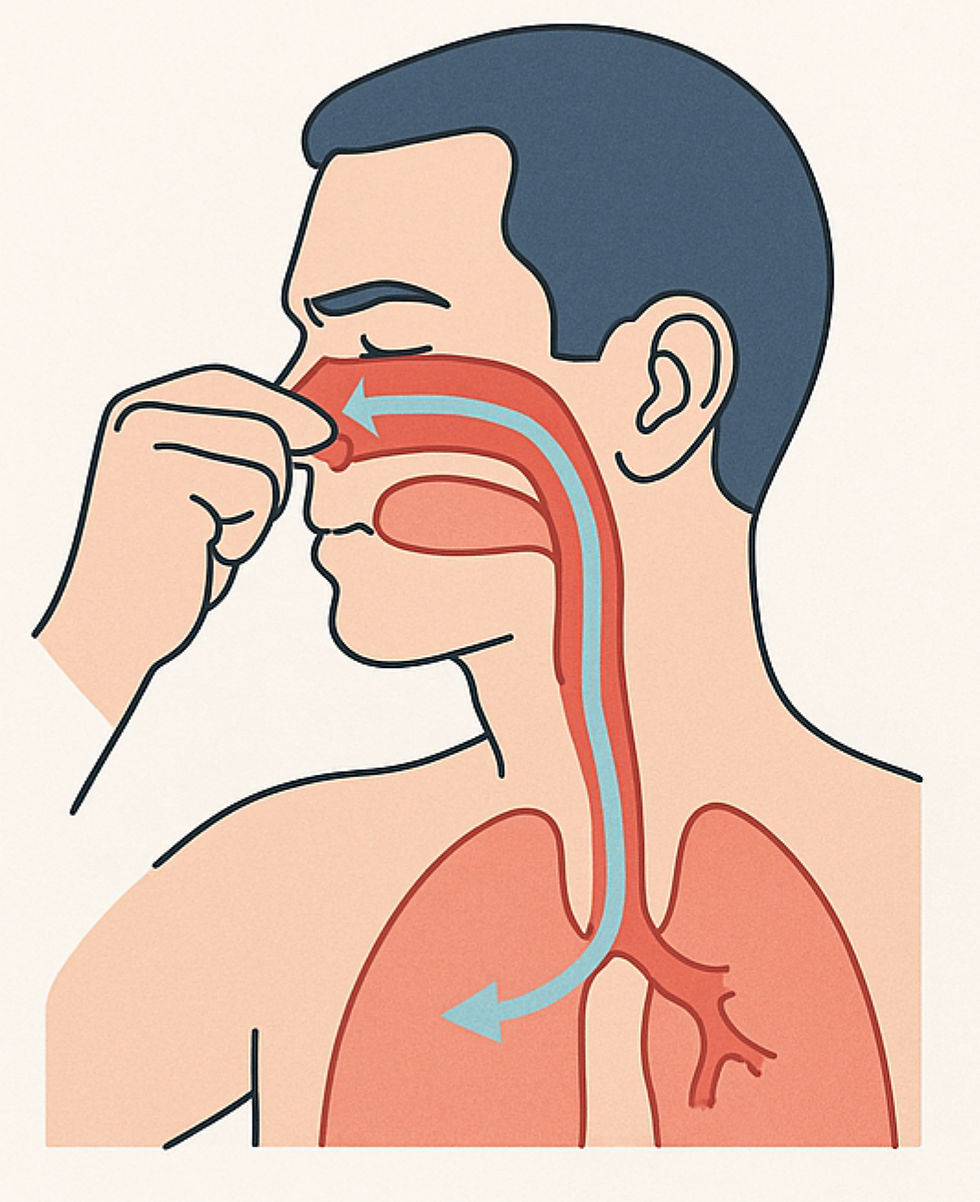
Valsalva maneuver : This simple technique involves pinching your nose and attempting to exhale through it. This technique can often be used without much practice, but is not always suitable for deeper dives.
Frenzel Method : This technique is more effective for deeper dives and requires more practice. It uses the tongue as a valve to equalize pressure. Many experienced freedivers report that the Frenzel Method is especially useful for dives over 10 meters.
It's crucial to practice these techniques regularly to be able to use them safely in the water. Many diving schools offer special training sessions where these techniques can be learned.
Serenity in the water
Composure is another crucial factor in freediving. Staying calm and relaxed makes the difference between a pleasant dive and a stressful one.
Breathing techniques to promote serenity
One of the best ways to achieve serenity is to control your breath. Slow, deep breathing can put your body into a relaxed state.
Abdominal breathing : This technique helps deepen your breath and relax your body. Focusing on abdominal breathing can reduce pre-dive stress. One study found that deep breathing techniques can reduce heart rate by up to 15%.
Visualization : Many freedivers use visualization techniques to prepare for dives. Studies show that imagining a calm and safe dive can significantly improve confidence and performance in the water.
Well-being in the water
Well-being in the water is essential for freedivers. Both physical and mental well-being are important for realizing the full potential of freediving.
Physical fitness
Physical fitness plays a major role in freediving. Regular training can help increase endurance and strength. Fitness studies indicate that good physical condition can improve diving performance by up to 25%.
Cardiovascular exercises : Activities such as swimming, running or cycling strengthen the cardiovascular system and improve endurance, which is important when diving.
Strength training : Core strengthening exercises are important for stabilizing posture in the water. Frequent core exercises can increase stabilizing muscle strength by 10 to 15%.
Mental preparation
Mental preparation is just as important as physical fitness. Techniques like meditation and mindfulness help calm the mind and promote concentration.
Meditation : Regular meditation can significantly reduce stress and improve mental clarity. Studies show that just 10 minutes of daily meditation can help reduce negative thoughts by up to 40%.
Mindfulness : Mindfulness exercises promote awareness of the moment and increase the ability to fully enjoy the underwater world.
Safety while freediving
Safety is paramount in freediving. It's essential to know your limits and never dive alone.
Buddy system
The buddy system is a proven method for ensuring safety while freediving. Always diving with a buddy allows for rapid assistance in an emergency. Statistics show that 85% of freediving rescues involve inexperienced divers diving alone.
Education and training
Comprehensive training is essential for learning freediving techniques and diving safely. There are many schools and courses specifically designed for beginners. Proper training increases safety and can significantly reduce the risk of injury.
Summary and outlook
Freediving is a wonderful way to explore the underwater world and experience nature. By learning the basics such as equalization, composure, and comfort in the water, beginners can immerse themselves safely and with joy in this fascinating sport.
With proper preparation and a strong safety focus, anyone can experience and enjoy the beauty of freediving.



Comments